➤Rabbi Hillel the Elder was an early Talmudic sage who died around 10CE and he was reported to have said, "What is hateful to you, do not do to your fellow: this is the whole Torah; the rest is the explanation; go and learn." (ref. Shabbat 31a)
Rabbi Jesus being a Pharisee adopted this mishnaic teaching and applied it to his famous golden rule: "Therefore all things whatsoever ye would that men should do to you, do ye even so to them: for this is the law and the prophets."
We shouldn't forget that Rabbi Jesus never intended to abolish the law or the prophets [M. 5:17], this applied to both Torahs written AND oral.
[source]
Rabbi Jesus being a Pharisee adopted this mishnaic teaching and applied it to his famous golden rule: "Therefore all things whatsoever ye would that men should do to you, do ye even so to them: for this is the law and the prophets."
We shouldn't forget that Rabbi Jesus never intended to abolish the law or the prophets [M. 5:17], this applied to both Torahs written AND oral.
[source]
💊9
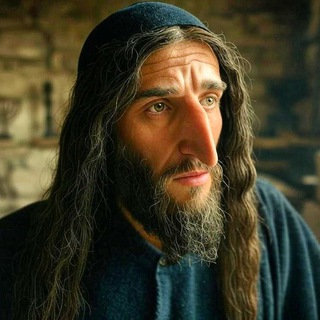
Parallels between the teachings of Jesus Christ as recorded in the New Testament and concepts found in the Talmud and Mishnah, with citations:
➤New Testament: "Love your neighbor as yourself" (Matthew 22:39, Mark 12:31).
➣Talmud: "What is hateful to you, do not do to your fellow: this is the whole Torah; the rest is the explanation; go and learn" (Shabbat 31a). This encapsulates the Golden Rule, similar to Jesus's teaching.
➤New Testament: "And when you stand praying, if you hold anything against anyone, forgive them, so that your Father in heaven may forgive you your sins" (Mark 11:25).
➣Talmud: "One who is merciful to others, mercy is shown to him by Heaven, while one who is not merciful to others, mercy is not shown to him by Heaven" (Shabbat 151b).
➤New Testament: "Do not judge, or you too will be judged" (Matthew 7:1).
➣Mishnah: "Do not judge your fellow until you have stood in his place" (Avot 2:4).
➤New Testament: "For all those who exalt themselves will be humbled, and those who humble themselves will be exalted" (Luke 14:11).
➣Mishnah: "Be exceedingly humble of spirit, for the hope of man is the worm" (Avot 4:4).
➤New Testament: "Sell your possessions and give to the poor" (Luke 12:33).
➣Talmud: "Charity is equivalent to all the other commandments combined" (Bava Batra 9a). Also, "Greater is he who performs charity than all the sacrifices" (Sukkah 49b).
➤New Testament: "But I tell you that everyone will have to give account on the day of judgment for every empty word they have spoken" (Matthew 12:36).
➣Talmud: "The sword and the word come from one place" (Sanhedrin 7a), meaning both can kill or heal, emphasizing the responsibility over one's speech.
➤New Testament: "Honor your father and your mother" (Matthew 19:19, Ephesians 6:2).
➣Talmud: "Honor your father and your mother" is part of the Ten Commandments, but there's further elaboration in the Talmud, "What is honor? Providing them with food and drink, clothing and covering, and bringing them in and out" (Kiddushin 31b).
➤New Testament: "Love your neighbor as yourself" (Matthew 22:39, Mark 12:31).
➣Talmud: "What is hateful to you, do not do to your fellow: this is the whole Torah; the rest is the explanation; go and learn" (Shabbat 31a). This encapsulates the Golden Rule, similar to Jesus's teaching.
➤New Testament: "And when you stand praying, if you hold anything against anyone, forgive them, so that your Father in heaven may forgive you your sins" (Mark 11:25).
➣Talmud: "One who is merciful to others, mercy is shown to him by Heaven, while one who is not merciful to others, mercy is not shown to him by Heaven" (Shabbat 151b).
➤New Testament: "Do not judge, or you too will be judged" (Matthew 7:1).
➣Mishnah: "Do not judge your fellow until you have stood in his place" (Avot 2:4).
➤New Testament: "For all those who exalt themselves will be humbled, and those who humble themselves will be exalted" (Luke 14:11).
➣Mishnah: "Be exceedingly humble of spirit, for the hope of man is the worm" (Avot 4:4).
➤New Testament: "Sell your possessions and give to the poor" (Luke 12:33).
➣Talmud: "Charity is equivalent to all the other commandments combined" (Bava Batra 9a). Also, "Greater is he who performs charity than all the sacrifices" (Sukkah 49b).
➤New Testament: "But I tell you that everyone will have to give account on the day of judgment for every empty word they have spoken" (Matthew 12:36).
➣Talmud: "The sword and the word come from one place" (Sanhedrin 7a), meaning both can kill or heal, emphasizing the responsibility over one's speech.
➤New Testament: "Honor your father and your mother" (Matthew 19:19, Ephesians 6:2).
➣Talmud: "Honor your father and your mother" is part of the Ten Commandments, but there's further elaboration in the Talmud, "What is honor? Providing them with food and drink, clothing and covering, and bringing them in and out" (Kiddushin 31b).
💊7
Paul in the NT refers to Talmud and a Rabbi in Talmud is also referred to in NT, the same Rabbi and the Rabbi's ancestors, (his father and grandfather) are also present in Talmud which obviously shows that Talmud is much older than New Testament and jewSUS himself was teaching straight out of Talmud.
👇
https://archive.ph/Svvgj
👇
https://archive.ph/Svvgj
💊8
Jesus was not only a jew, he was an UBER-Jew. An ultra-Orthodox Jew who adhered to rabbinic tradition and followed the oral Torah handed down from the Levitical priests. Why would anyone argue otherwise? Because Jesus got into fights with Pharisees? Only a Pharisee could criticize other Pharisees since they were the doctorates of Jewish society, just as scholars today critique other scholars. 2/3rds of the NT was written by a Gamalian Pharisee named Saul, so you'd think it would be beyond controversy by now.
💊18
Talmudic teachings in the New Testament gospels
➣ The talmud did not exist until the fifth and sixth centuries CE BUT the oral traditions within them date as far back as 160BCE when the pharisees emerged in Israel. We find Jesus the Nazarene (rav yeshua bar daveed) using them in his teachings:
1) the FOUR CUPS of WINE at Jesus' Passover meal (Luke 22;17,20; Mark 14:25) are nowhere found in the Old Testament scriptures but are mentioned in the Talmud (Mishnah Pesahim 10:7).
2) The concept that CIRCUMCISION OVERRIDES the SABBATH to which Jesus referred (John 7:22-23) is nowhere found in the Old Testament scriptures but is mentioned in the Talmud (Shabbat 18:3).
3) When Jesus used SPITTLE to CURE a man's BLINDNESS (Mark 8:23), this procedure is nowhere found in the Old Testament but is found in the Talmud. Spittle was commonly used to cure eye trouble (Sotah 16d; Baba Batra 126b).
4) When Jesus told us to turn the other cheek (Matt. 5:39), he may have been quoting: "If you are struck you must forgive the offender even though he does not ask for your forgiveness" (Tractate Baba Qamma 9:29).
5) When Jesus said, "Where TWO or THREE are gathered together in my name there am I in the midst" (Matt. 18:20), he was not quoting from the Old Testament. Instead he may have been quoting from R. Hananya who said: "If TWO sit together and interchange the words of the Torah, the Shekhinah abides between them ... " (M. Avot 3:3). But R. Halafta the son of Dosa of the village of Hananya said: " And whence can it be shown that the same applies to THREE? Because it is said He judges among the judges (the minimum number of judges being three), whence can it be shown that the same applies to TWO? Because it is said, Then they that feared the Lord ... (Mal.3:16)" (Avot 3:7; See also ARN 8; B. Sanh. 39a; B. Ber. 5b; Orach Chaiim, 55).
6) Jesus' teaching on VISITING the SICK (Matt. 25:44) is not found in the Old Testament but is found in the Talmud Shabbat 127a, Nedarim 40a and Ben Sira 7:35.
7) Even when his disciples began plucking ears of grain on the Sabbath (Mark 2:23-27) in violation of the Talmud (b. Sab. 73a-b), Jesus argues against this oral law by paraphrasing another oral law. Jesus said, "The SABBATH was MADE for MAN, not MAN for the SABBATH" (Mark 2:27). The Talmud says, "The SABBATH was GIVEN to YOU, but YOU were NOT GIVEN to the SABBATH" (Betzah 17). Jesus may have been paraphrasing Betsah 17 or a similar saying of R. Simeon ben Menasiah (Mek. Ex. 31:14; b. Yoma 85b). In Shab.128a we read, "Bundles which can be taken up with one hand may be handled on the Sabbath ... and he may break it with his hand and eat thereof" which is what Jesus' disciples were doing.
8) In Matthew 12:5 Jesus used Rabbi Akiba's argument that "TEMPLE SERVICE takes precedence over Sabbath " (B. Shab. 132b; cf. also B. Yev. 7a). Also, "REGARD for LIFE overrules the Sabbath" (b. Yoma 85b). Moreover, in the case of any lingering doubt concerning the potential severity of an illness, legal presumption favors intervention and the Mishnah (Yoma 8:6) cites the principle: "Whenever there is doubt concerning LIFE being IN DANGER (the case discussed is a sore throat), this overrides the Sabbath." Otherwise you're guilty of murder. This explains why Jesus allowed his disciples to PLUCK GRAIN on the Sabbath. HUNGER also sets aside the ban on eating the Bread of Presence destined for priests only (Lev. 24:5-9; 1 Sam. 21:1-7) in the case of David and his hungry soldiers.
➣ The talmud did not exist until the fifth and sixth centuries CE BUT the oral traditions within them date as far back as 160BCE when the pharisees emerged in Israel. We find Jesus the Nazarene (rav yeshua bar daveed) using them in his teachings:
1) the FOUR CUPS of WINE at Jesus' Passover meal (Luke 22;17,20; Mark 14:25) are nowhere found in the Old Testament scriptures but are mentioned in the Talmud (Mishnah Pesahim 10:7).
2) The concept that CIRCUMCISION OVERRIDES the SABBATH to which Jesus referred (John 7:22-23) is nowhere found in the Old Testament scriptures but is mentioned in the Talmud (Shabbat 18:3).
3) When Jesus used SPITTLE to CURE a man's BLINDNESS (Mark 8:23), this procedure is nowhere found in the Old Testament but is found in the Talmud. Spittle was commonly used to cure eye trouble (Sotah 16d; Baba Batra 126b).
4) When Jesus told us to turn the other cheek (Matt. 5:39), he may have been quoting: "If you are struck you must forgive the offender even though he does not ask for your forgiveness" (Tractate Baba Qamma 9:29).
5) When Jesus said, "Where TWO or THREE are gathered together in my name there am I in the midst" (Matt. 18:20), he was not quoting from the Old Testament. Instead he may have been quoting from R. Hananya who said: "If TWO sit together and interchange the words of the Torah, the Shekhinah abides between them ... " (M. Avot 3:3). But R. Halafta the son of Dosa of the village of Hananya said: " And whence can it be shown that the same applies to THREE? Because it is said He judges among the judges (the minimum number of judges being three), whence can it be shown that the same applies to TWO? Because it is said, Then they that feared the Lord ... (Mal.3:16)" (Avot 3:7; See also ARN 8; B. Sanh. 39a; B. Ber. 5b; Orach Chaiim, 55).
6) Jesus' teaching on VISITING the SICK (Matt. 25:44) is not found in the Old Testament but is found in the Talmud Shabbat 127a, Nedarim 40a and Ben Sira 7:35.
7) Even when his disciples began plucking ears of grain on the Sabbath (Mark 2:23-27) in violation of the Talmud (b. Sab. 73a-b), Jesus argues against this oral law by paraphrasing another oral law. Jesus said, "The SABBATH was MADE for MAN, not MAN for the SABBATH" (Mark 2:27). The Talmud says, "The SABBATH was GIVEN to YOU, but YOU were NOT GIVEN to the SABBATH" (Betzah 17). Jesus may have been paraphrasing Betsah 17 or a similar saying of R. Simeon ben Menasiah (Mek. Ex. 31:14; b. Yoma 85b). In Shab.128a we read, "Bundles which can be taken up with one hand may be handled on the Sabbath ... and he may break it with his hand and eat thereof" which is what Jesus' disciples were doing.
8) In Matthew 12:5 Jesus used Rabbi Akiba's argument that "TEMPLE SERVICE takes precedence over Sabbath " (B. Shab. 132b; cf. also B. Yev. 7a). Also, "REGARD for LIFE overrules the Sabbath" (b. Yoma 85b). Moreover, in the case of any lingering doubt concerning the potential severity of an illness, legal presumption favors intervention and the Mishnah (Yoma 8:6) cites the principle: "Whenever there is doubt concerning LIFE being IN DANGER (the case discussed is a sore throat), this overrides the Sabbath." Otherwise you're guilty of murder. This explains why Jesus allowed his disciples to PLUCK GRAIN on the Sabbath. HUNGER also sets aside the ban on eating the Bread of Presence destined for priests only (Lev. 24:5-9; 1 Sam. 21:1-7) in the case of David and his hungry soldiers.
💊11
Media is too big
VIEW IN TELEGRAM
Christopher Enoch explains that Rabbi Jesus came to fulfill not only the written torah but the ¹oral torah as well.
💊11
The point of this channel is to prove that Jesus (if he even existed at all) was an Orthodox jew without taint or blemish, who did not come to establish a new religion nor evangelise to gentiles, but rather came to purify Judaism from its Hellenistic elements by restoring the jewish Orthodoxy.
💊13
USSR Loved Christ pinned «The point of this channel is to prove that Jesus (if he even existed at all) was an Orthodox jew without taint or blemish, who did not come to establish a new religion nor evangelise to gentiles, but rather came to purify Judaism from its Hellenistic elements…»
TALMUDIC TRADITIONS OBSERVED BY JESUS (RABBI YESHUA BAR-DAVID)
- Jesus notably had tassels on his garment (Tsitsiyot):
Matthew 9:20; 14:36; Mark 6:56; Luke 8:44. Tractate Menachot 43a discusses the importance of tassels.
- Jesus did traditional rabbinic blessings before meals: Matthew 14:19; Mark 6:41; Luke 9:16; John 6:11. Tractate Berachot 35a elucidates on blessings before and after eating.
- Divorce Laws in the New Testament: Matthew 5:31-32; 19:3-9; Mark 10:2-12. These were echoed from Gittin 90a, which covers debates on the grounds for divorce.
- Sabbath Observance by Jesus: Matthew 12:1-8; Mark 2:23-28; Luke 6:1-5. Tractate Shabbat 128b discusses permitted activities on the Sabbath, which Rabbi Jesus notably tapped into.
- Jesus healing on the Sabbath:
Luke 13:10-17; 14:1-6; John 5:1-18. Tractate Yoma 85b permitted healing on the Sabbath in certain conditions.
- The Golden Rule:
Matthew 7:12; Luke 6:31. Tractate Shabbat 31a is where Jesus adopted the golden rule from, it was a saying of Rabbi Hillel the Elder.
- Tithing in the Gospel: Matthew 23:23; Luke 11:42. Tractate Ma'aser Sheni 5:8 discusses the same rules on tithing.
- Respect for Teachers/Rabbis: Matthew 23:2-3. Tractate Avot 4:12 discusses the importance of honoring Jewish teachers.
- Jesus' teaching on Purity Laws: Matthew 23:25-26; Mark 7:1-23. These are echoed from Tractate Chullin 120b - Discussions on purity and impurity.
- Prayer Structure in the New Testament: Matthew 6:9-13 (Lord's Prayer). Tractate Berachot 29b emphasizes the important of structured prayer in Jewish liturgy.
- Jesus notably had tassels on his garment (Tsitsiyot):
Matthew 9:20; 14:36; Mark 6:56; Luke 8:44. Tractate Menachot 43a discusses the importance of tassels.
- Jesus did traditional rabbinic blessings before meals: Matthew 14:19; Mark 6:41; Luke 9:16; John 6:11. Tractate Berachot 35a elucidates on blessings before and after eating.
- Divorce Laws in the New Testament: Matthew 5:31-32; 19:3-9; Mark 10:2-12. These were echoed from Gittin 90a, which covers debates on the grounds for divorce.
- Sabbath Observance by Jesus: Matthew 12:1-8; Mark 2:23-28; Luke 6:1-5. Tractate Shabbat 128b discusses permitted activities on the Sabbath, which Rabbi Jesus notably tapped into.
- Jesus healing on the Sabbath:
Luke 13:10-17; 14:1-6; John 5:1-18. Tractate Yoma 85b permitted healing on the Sabbath in certain conditions.
- The Golden Rule:
Matthew 7:12; Luke 6:31. Tractate Shabbat 31a is where Jesus adopted the golden rule from, it was a saying of Rabbi Hillel the Elder.
- Tithing in the Gospel: Matthew 23:23; Luke 11:42. Tractate Ma'aser Sheni 5:8 discusses the same rules on tithing.
- Respect for Teachers/Rabbis: Matthew 23:2-3. Tractate Avot 4:12 discusses the importance of honoring Jewish teachers.
- Jesus' teaching on Purity Laws: Matthew 23:25-26; Mark 7:1-23. These are echoed from Tractate Chullin 120b - Discussions on purity and impurity.
- Prayer Structure in the New Testament: Matthew 6:9-13 (Lord's Prayer). Tractate Berachot 29b emphasizes the important of structured prayer in Jewish liturgy.
💊11
We should never forget that, as in Exodus and Isaiah, the socialist revolution in Russia is a pillar of hope of deliverance from exploitation and oppression. The Land of the Soviets is a light to the nations, a living beacon illuminating the road to the ‘promised land’ called the socialist world, a ‘torch lighting the path to liberation from the yoke of the oppressors’ for all the peoples of the world! As the star led the Magi to the Christ child, so is the socialist revolution a ‘Light from the East’.
𝐉𝐨𝐬𝐞𝐩𝐡 𝐒𝐭𝐚𝐥𝐢𝐧
Stalin, Works 4: 181-86
@USSRLovedChrist
𝐉𝐨𝐬𝐞𝐩𝐡 𝐒𝐭𝐚𝐥𝐢𝐧
Stalin, Works 4: 181-86
@USSRLovedChrist
💊17
The history of nations teaches us the necessity of the Union with Christ.
𝐊𝐚𝐫𝐥 𝐌𝐚𝐫𝐱
Reflections of a Young Man on the Choice of a Profession (1835).
@USSRLovedChrist
𝐊𝐚𝐫𝐥 𝐌𝐚𝐫𝐱
Reflections of a Young Man on the Choice of a Profession (1835).
@USSRLovedChrist
💊19
The Soviet Constitution of 1936 stated in article 118: "Citizens of the U.S.S.R. have the right to work… He who does not work, neither shall he eat" which was directly extracted from 2 Thessalonians 3:10. Article 12 also incorporated Acts 4:35 into the Bolshevik framework in which it said "From each according to his ability, to each according to his work"
Even Vladimir Lenin referenced 2 Thessalonians 3:10 ("If any would not work, neither should he eat") as a justification for socialist labor policies, laying the groundwork for its inclusion in later Soviet constitutional rhetoric. [Collected Works, Volume 25, pp. 381-492.]
𝐂𝐨𝐧𝐬𝐭𝐢𝐭𝐮𝐭𝐢𝐨𝐧 𝐨𝐟 𝐭𝐡𝐞 𝐔𝐧𝐢𝐨𝐧 𝐨𝐟 𝐒𝐨𝐯𝐢𝐞𝐭 𝐒𝐨𝐜𝐢𝐚𝐥𝐢𝐬𝐭 𝐑𝐞𝐩𝐮𝐛𝐥𝐢𝐜𝐬
Adopted December 5, 1936. -Bucknell University, Department of Russian Studies.
@USSRLovedChrist
Even Vladimir Lenin referenced 2 Thessalonians 3:10 ("If any would not work, neither should he eat") as a justification for socialist labor policies, laying the groundwork for its inclusion in later Soviet constitutional rhetoric. [Collected Works, Volume 25, pp. 381-492.]
𝐂𝐨𝐧𝐬𝐭𝐢𝐭𝐮𝐭𝐢𝐨𝐧 𝐨𝐟 𝐭𝐡𝐞 𝐔𝐧𝐢𝐨𝐧 𝐨𝐟 𝐒𝐨𝐯𝐢𝐞𝐭 𝐒𝐨𝐜𝐢𝐚𝐥𝐢𝐬𝐭 𝐑𝐞𝐩𝐮𝐛𝐥𝐢𝐜𝐬
Adopted December 5, 1936. -Bucknell University, Department of Russian Studies.
@USSRLovedChrist
💊13