Medieval Frumenty
There was little in the way of fresh food during a medieval winter. Meat, if you could get it, was salted, brined, or smoked (or some combination of the three). During some particularly harsh winters in the beginning of the 1300s, rivers froze for months at a time, making it impossible for water-powered mills to grind wheat into flour.
At such a time, this hearty porridge would be just the ticket. Everyone ate frumenty during the Middle Ages, from royalty to peasants, though wealthier people would add expensive spices and sugar and serve it with venison.
This frumenty is made of whole wheat berries and is a rib-sticking, satisfying meal all by itself. The wheat berries retain some wonderful texture so that it’s not just a mush, and egg yolks add richness and flavor. It’s more flavorful than I thought it would be, but I’d add some cinnamon and sugar.
There was little in the way of fresh food during a medieval winter. Meat, if you could get it, was salted, brined, or smoked (or some combination of the three). During some particularly harsh winters in the beginning of the 1300s, rivers froze for months at a time, making it impossible for water-powered mills to grind wheat into flour.
At such a time, this hearty porridge would be just the ticket. Everyone ate frumenty during the Middle Ages, from royalty to peasants, though wealthier people would add expensive spices and sugar and serve it with venison.
This frumenty is made of whole wheat berries and is a rib-sticking, satisfying meal all by itself. The wheat berries retain some wonderful texture so that it’s not just a mush, and egg yolks add richness and flavor. It’s more flavorful than I thought it would be, but I’d add some cinnamon and sugar.
Anglo-Saxons loved to give their daughters names ending in “gift.” Here are the most common ones:
1. Elfgeofu (“elf gift”)
2. Eadgeofu (“treasure gift”)
3. Æðelgeofu (“noble gift”)
4. Leofgeofu (“beloved gift”)
5. Wulfgeofu (“wolf gift”)
6. Godgeofu (“god gift”)
7. Berhtgeofu (“bright gift”)
8. Sægeofu (“sea gift”)
9. Cynegeofu (“royal gift”)
10. Hungeofu (“bear cub gift”)
1. Elfgeofu (“elf gift”)
2. Eadgeofu (“treasure gift”)
3. Æðelgeofu (“noble gift”)
4. Leofgeofu (“beloved gift”)
5. Wulfgeofu (“wolf gift”)
6. Godgeofu (“god gift”)
7. Berhtgeofu (“bright gift”)
8. Sægeofu (“sea gift”)
9. Cynegeofu (“royal gift”)
10. Hungeofu (“bear cub gift”)
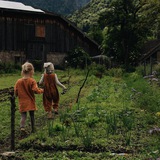
Between 1900 and 1930, a seed pedlar took more than 5000 photographs of daily life in an isolated valley to the south of the Alps. They were rediscovered long after his death.
On July 13, 1894, during the so-called “Great Excavation” at the Temple of Delphi in Greece, archaeologists discovered the impressive statue of Antinous.
The last photograph comes from the archives of the École Française d’Athènes and captures the exact moment the sculpture was unearthed after centuries buried underground.
📸 Delphi Archaeological Museum
The last photograph comes from the archives of the École Française d’Athènes and captures the exact moment the sculpture was unearthed after centuries buried underground.
📸 Delphi Archaeological Museum