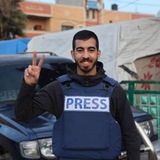
We, along with the Qassam Brigades, managed to snipe an Israeli soldier in the Abasan al-Kabira area, east of Khan Yunis.
سرايا القدس:
تمكنا مع كتائب القسام من قنص جندي صهيوني في منطقة عبسان الكبيرة شرق مدينة خانيونس.
@ThePalestinianObserver
Please open Telegram to view this post
VIEW IN TELEGRAM
❤29👍2
A (Israeli) subscriber sent me this graph.
It shows a detailed breakdown of the recent Iran-led missile campaign (13–18 June), with roughly 420–450 projectiles fired at Israel across 20 waves. But the key story isn’t the total—it’s the timing.
Over 84% of the missiles came in the first nine waves (13–16 June), most in the pre-dawn hours, averaging ~40 missiles per volley. After the 16 June 04:10 salvo, the launch rate collapsed. Only one medium burst (≈20 missiles) happened later, on 17 June at 08:41. Everything else was small, sporadic, and largely symbolic.
Why the sudden drop-off? Four plausible reasons:
1. Stockpile depletion – early saturation likely burned through Iran’s ready-to-launch inventory.
2. Effective Israeli strikes – counter-battery fire may have destroyed or disrupted key launchers.
3. Mission accomplished – Tehran showed reach, rallied its base, and rattled markets. More missiles meant more risk for less payoff.
4. Command friction – coordination across Iran, proxies, and C2 elements is hard; follow-up salvos likely stalled without approvals or logistics.
Also worth noting:
• OSINT count (450) vs IDF claim (400)—a typical 10% gap, due to radar-confirmed vs visual/telemetry-based tallies.
• Attack timings aimed to exploit Israeli crew fatigue and clutter interceptor sensors (01:00–05:00 local).
• The missile mix (ballistic, cruise, drones) isn’t clear from the graph but matters for understanding defensive strain.
Bottom line: This was a front-loaded blitz, designed to shock and awe. Once Israel’s layered systems held, the rest was optics. The offensive peaked early and fizzled fast.
— The Palestinian Observer
@ThePalestinianObserver
It shows a detailed breakdown of the recent Iran-led missile campaign (13–18 June), with roughly 420–450 projectiles fired at Israel across 20 waves. But the key story isn’t the total—it’s the timing.
Over 84% of the missiles came in the first nine waves (13–16 June), most in the pre-dawn hours, averaging ~40 missiles per volley. After the 16 June 04:10 salvo, the launch rate collapsed. Only one medium burst (≈20 missiles) happened later, on 17 June at 08:41. Everything else was small, sporadic, and largely symbolic.
Why the sudden drop-off? Four plausible reasons:
1. Stockpile depletion – early saturation likely burned through Iran’s ready-to-launch inventory.
2. Effective Israeli strikes – counter-battery fire may have destroyed or disrupted key launchers.
3. Mission accomplished – Tehran showed reach, rallied its base, and rattled markets. More missiles meant more risk for less payoff.
4. Command friction – coordination across Iran, proxies, and C2 elements is hard; follow-up salvos likely stalled without approvals or logistics.
Also worth noting:
• OSINT count (450) vs IDF claim (400)—a typical 10% gap, due to radar-confirmed vs visual/telemetry-based tallies.
• Attack timings aimed to exploit Israeli crew fatigue and clutter interceptor sensors (01:00–05:00 local).
• The missile mix (ballistic, cruise, drones) isn’t clear from the graph but matters for understanding defensive strain.
Bottom line: This was a front-loaded blitz, designed to shock and awe. Once Israel’s layered systems held, the rest was optics. The offensive peaked early and fizzled fast.
— The Palestinian Observer
@ThePalestinianObserver
🤔11👍2
وزير الخارجية الإيراني أراغتشي للجزيرة ينفي إرسال وفد إلى عُمان.
@ThePalestinianObserver
Please open Telegram to view this post
VIEW IN TELEGRAM
👏14
The Palestinian Observer — TPO
A (Israeli) subscriber sent me this graph. It shows a detailed breakdown of the recent Iran-led missile campaign (13–18 June), with roughly 420–450 projectiles fired at Israel across 20 waves. But the key story isn’t the total—it’s the timing. Over 84% of…
Missile Barrage Timeline (13–18 June)
Wave | Time (UTC) | Missiles | Cumulative Total
-----|----------------------|----------|------------------
1 | 13 Jun 21:02 | ≈42 | 42
2 | 13 Jun 23:13 | ≈41 | 83
3 | 14 Jun 01:07 | ≈38 | 121
4 | 14 Jun 04:38 | ≈19 | 140
5 | 14 Jun 05:14 | ≈22 | 162
6 | 14 Jun 23:10 | ≈42 | 204
7 | 15 Jun 02:52 | ≈48 | 252
8 | 15 Jun 16:08 | ≈50 | 302
9 | 16 Jun 04:10 | ≈55 | 357
10–20| 16 Jun 19:38 → 18 Jun 01:25 | ≈66 (combined) | ≈423
Wave | Time (UTC) | Missiles | Cumulative Total
-----|----------------------|----------|------------------
1 | 13 Jun 21:02 | ≈42 | 42
2 | 13 Jun 23:13 | ≈41 | 83
3 | 14 Jun 01:07 | ≈38 | 121
4 | 14 Jun 04:38 | ≈19 | 140
5 | 14 Jun 05:14 | ≈22 | 162
6 | 14 Jun 23:10 | ≈42 | 204
7 | 15 Jun 02:52 | ≈48 | 252
8 | 15 Jun 16:08 | ≈50 | 302
9 | 16 Jun 04:10 | ≈55 | 357
10–20| 16 Jun 19:38 → 18 Jun 01:25 | ≈66 (combined) | ≈423
👍4🤓4
The Palestinian Observer — TPO
Missile Barrage Timeline (13–18 June) Wave | Time (UTC) | Missiles | Cumulative Total -----|----------------------|----------|------------------ 1 | 13 Jun 21:02 | ≈42 | 42 2 | 13 Jun 23:13 | ≈41 | 83 3 | 14 Jun…
The last 10 waves combined are almost the size of one wave at the beginning
👍10
This media is not supported in your browser
VIEW IN TELEGRAM
This could be as the Iranian reporter said just to protect the plans or the foreign minister could’ve been trying to save face while secretly negotiating
على الرغم من رفض إيران إرسال فريق إلى عُمان، تكشف التسجيلات من LiveATC عن إحدى الطائرات JJ25 تنبه عُمان بوصول ٤ طائرات قادمة من إيران.
يمكن أن يكون هذا كما قال الصحفي الإيراني فقط لحماية الخطط، أو أن وزير الخارجية كان يحاول إنقاذ وجهه في حين كان يتفاوض سراً.
@ThePalestinianObserver
Please open Telegram to view this post
VIEW IN TELEGRAM
🤣6👍2
We estimate that Iran and its proxies will attack our forces if the United States launches a strike against Iran.
مسؤول أمريكي للجزيرة:
تقديرنا أن إيران ووكلاءها سيهاجمون قواتنا في حال توجيه الولايات المتحدة ضربة لإيران
@ThePalestinianObserver
Please open Telegram to view this post
VIEW IN TELEGRAM
🤣14🤪5❤1🤔1
US forces in the Middle East have taken maximum security measures.
مسؤول أمريكي للجزيرة:
القوات الأمريكية في منطقة الشرق الأوسط اتخذت إجراءات الحماية القصوى
@ThePalestinianObserver
Please open Telegram to view this post
VIEW IN TELEGRAM
🤣16🤔2
The Palestinian Observer — TPO
This media is not supported in your browser
VIEW IN TELEGRAM
Wow really?
🤪5🤣2👍1
The Revolutionary Guard’s evacuation notice for Haifa, which included the exact coordinates 32.77707, 35.02369, might be more than just a threat—it could be a coded reference to the classified Israeli documents Iran reportedly obtained weeks ago.
The mention of a building inside the Technion Institute—a known research hub—raises eyebrows. It’s as if Iran is saying: “We know exactly where to look.”
This level of precision isn’t about intimidation alone—it’s about showcasing intelligence superiority.
إشارة خفية لكن قوية من إيران؟
قد تكون إشعار الحرس الثوري بإخلاء حيفا، الذي شمل الإحداثيات الدقيقة 32.77707, 35.02369, أكثر من تهديد بل ممكن أن تكون إشارة مشفرة للوثائق الإسرائيلية السرية التي حصلت إيران عليها بحسب التقارير قبل أسابيع.
ذكر مبنى داخل معهد تكنيون - مركز بحثي معروف - يثير الاستغراب. كأن إيران تقول: "نحن نعرف بالضبط أين نبحث".
هذا المستوى من الدقة ليس فقط حول الترهيب بل حول عرض تفوق المخابرات.
@ThePalestinianObserver
Please open Telegram to view this post
VIEW IN TELEGRAM
Please open Telegram to view this post
VIEW IN TELEGRAM
❤32👍2😱2💅2👎1👌1🍌1
We affirm our full support for the Islamic Republic of Iran in confronting the brutal Israeli aggression.
We also offer our sincere condolences for all the martyred leaders, scholars, and innocent Iranian citizens.
نحن نؤكّد دعمنا الكامل للجمهورية الإسلامية الإيرانية في مواجهة العدوان الإسرائيلي الوحشي.
كما نقدم تعازينا الخالصة لكل القادة الشهداء والعلماء والمواطنين الإيرانيين الأبرياء.
@ThePalestinianObserver
Please open Telegram to view this post
VIEW IN TELEGRAM
❤31🔥4👏4🤔1🤮1🥱1
Forwarded from Frontline Report
🇺🇸❌ 🇮🇷-U.S. intelligence assesses that a single strike with the GBU-57 “Massive Ordnance Penetrator” could potentially destroy Iran’s heavily protected Fordow nuclear site, located deep within a mountain near Qom.
➡️ Fordow is Iran’s most secure uranium enrichment facility, buried around 80 to 90 meters underground, specifically engineered to resist conventional airstrikes.
➡️ Due to its massive size and weight 30,000 kg only the U.S. Air Force’s B-2 stealth bombers can deliver the GBU-57. Israeli aircraft are not equipped to carry such a payload.
Please open Telegram to view this post
VIEW IN TELEGRAM
Please open Telegram to view this post
VIEW IN TELEGRAM
😨12👍1