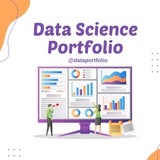
7 High-Impact Portfolio Project Ideas for Aspiring Data Analysts
✅ Sales Dashboard – Use Power BI or Tableau to visualize KPIs like revenue, profit, and region-wise performance
✅ Customer Churn Analysis – Predict which customers are likely to leave using Python (Logistic Regression, EDA)
✅ Netflix Dataset Exploration – Analyze trends in content types, genres, and release years with Pandas & Matplotlib
✅ HR Analytics Dashboard – Visualize attrition, department strength, and performance reviews
✅ Survey Data Analysis – Clean, visualize, and derive insights from user feedback or product surveys
✅ E-commerce Product Analysis – Analyze top-selling products, revenue by category, and return rates
✅ Airbnb Price Predictor – Use machine learning to predict listing prices based on location, amenities, and ratings
These projects showcase real-world skills and storytelling with data.
Share with credits: https://t.iss.one/sqlspecialist
Hope it helps :)
✅ Sales Dashboard – Use Power BI or Tableau to visualize KPIs like revenue, profit, and region-wise performance
✅ Customer Churn Analysis – Predict which customers are likely to leave using Python (Logistic Regression, EDA)
✅ Netflix Dataset Exploration – Analyze trends in content types, genres, and release years with Pandas & Matplotlib
✅ HR Analytics Dashboard – Visualize attrition, department strength, and performance reviews
✅ Survey Data Analysis – Clean, visualize, and derive insights from user feedback or product surveys
✅ E-commerce Product Analysis – Analyze top-selling products, revenue by category, and return rates
✅ Airbnb Price Predictor – Use machine learning to predict listing prices based on location, amenities, and ratings
These projects showcase real-world skills and storytelling with data.
Share with credits: https://t.iss.one/sqlspecialist
Hope it helps :)
❤3
Python Cheatsheet
❤5
Beginner’s Roadmap to Learn Data Structures & Algorithms
1. Foundations: Start with the basics of programming and mathematical concepts to build a strong foundation.
2. Data Structure: Dive into essential data structures like arrays, linked lists, stacks, and queues to organise and store data efficiently.
3. Searching & Sorting: Learn various search and sort techniques to optimise data retrieval and organisation.
4. Trees & Graphs: Understand the concepts of binary trees and graph representation to tackle complex hierarchical data.
5. Recursion: Grasp the principles of recursion and how to implement recursive algorithms for problem-solving.
6. Advanced Data Structures: Explore advanced structures like hashing, heaps, and hash maps to enhance data manipulation.
7. Algorithms: Master algorithms such as greedy, divide and conquer, and dynamic programming to solve intricate problems.
8. Advanced Topics: Delve into backtracking, string algorithms, and bit manipulation for a deeper understanding.
9. Problem Solving: Practice on coding platforms like LeetCode to sharpen your skills and solve real-world algorithmic challenges.
10. Projects & Portfolio: Build real-world projects and showcase your skills on GitHub to create an impressive portfolio.
Best DSA RESOURCES: https://topmate.io/coding/886874
All the best 👍👍
1. Foundations: Start with the basics of programming and mathematical concepts to build a strong foundation.
2. Data Structure: Dive into essential data structures like arrays, linked lists, stacks, and queues to organise and store data efficiently.
3. Searching & Sorting: Learn various search and sort techniques to optimise data retrieval and organisation.
4. Trees & Graphs: Understand the concepts of binary trees and graph representation to tackle complex hierarchical data.
5. Recursion: Grasp the principles of recursion and how to implement recursive algorithms for problem-solving.
6. Advanced Data Structures: Explore advanced structures like hashing, heaps, and hash maps to enhance data manipulation.
7. Algorithms: Master algorithms such as greedy, divide and conquer, and dynamic programming to solve intricate problems.
8. Advanced Topics: Delve into backtracking, string algorithms, and bit manipulation for a deeper understanding.
9. Problem Solving: Practice on coding platforms like LeetCode to sharpen your skills and solve real-world algorithmic challenges.
10. Projects & Portfolio: Build real-world projects and showcase your skills on GitHub to create an impressive portfolio.
Best DSA RESOURCES: https://topmate.io/coding/886874
All the best 👍👍
❤3
𝗣-𝗩𝗮𝗹𝘂𝗲𝘀 𝗳𝗼𝗿 𝗥𝗲𝗴𝗿𝗲𝘀𝘀𝗶𝗼𝗻 𝗠𝗼𝗱𝗲𝗹 𝗘𝘅𝗽𝗹𝗮𝗶𝗻𝗲𝗱
𝗪𝗵𝗲𝗻 𝗯𝘂𝗶𝗹𝗱𝗶𝗻𝗴 𝗮 𝗿𝗲𝗴𝗿𝗲𝘀𝘀𝗶𝗼𝗻 𝗺𝗼𝗱𝗲𝗹, 𝗻𝗼𝘁 𝗲𝘃𝗲𝗿𝘆 𝘃𝗮𝗿𝗶𝗮𝗯𝗹𝗲 𝗶𝘀 𝗰𝗿𝗲𝗮𝘁𝗲𝗱 𝗲𝗾𝘂𝗮𝗹.
Some variables will genuinely impact your predictions, while others are just background noise.
𝗧𝗵𝗲 𝗽-𝘃𝗮𝗹𝘂𝗲 𝗵𝗲𝗹𝗽𝘀 𝘆𝗼𝘂 𝗳𝗶𝗴𝘂𝗿𝗲 𝗼𝘂𝘁 𝘄𝗵𝗶𝗰𝗵 𝗶𝘀 𝘄𝗵𝗶𝗰𝗵.
𝗪𝗵𝗮𝘁 𝗲𝘅𝗮𝗰𝘁𝗹𝘆 𝗶𝘀 𝗮 𝗣-𝗩𝗮𝗹𝘂𝗲?
𝗔 𝗽-𝘃𝗮𝗹𝘂𝗲 𝗮𝗻𝘀𝘄𝗲𝗿𝘀 𝗼𝗻𝗲 𝗾𝘂𝗲𝘀𝘁𝗶𝗼𝗻:
➔ If this variable had no real effect, what’s the probability that we’d still observe results this extreme just by chance?
• 𝗟𝗼𝘄 𝗣-𝗩𝗮𝗹𝘂𝗲 (𝘂𝘀𝘂𝗮𝗹𝗹𝘆 < 0.05): Strong evidence that the variable is important.
• 𝗛𝗶𝗴𝗵 𝗣-𝗩𝗮𝗹𝘂𝗲 (> 0.05): The variable’s relationship with the output could easily be random.
𝗛𝗼𝘄 𝗣-𝗩𝗮𝗹𝘂𝗲𝘀 𝗚𝘂𝗶𝗱𝗲 𝗬𝗼𝘂𝗿 𝗥𝗲𝗴𝗿𝗲𝘀𝘀𝗶𝗼𝗻 𝗠𝗼𝗱𝗲𝗹
𝗜𝗺𝗮𝗴𝗶𝗻𝗲 𝘆𝗼𝘂’𝗿𝗲 𝗮 𝘀𝗰𝘂𝗹𝗽𝘁𝗼𝗿.
You start with a messy block of stone (all your features).
P-values are your chisel.
𝗥𝗲𝗺𝗼𝘃𝗲 the features with high p-values (not useful).
𝗞𝗲𝗲𝗽 the features with low p-values (important).
This results in a leaner, smarter model that doesn’t just memorize noise but learns real patterns.
𝗪𝗵𝘆 𝗣-𝗩𝗮𝗹𝘂𝗲𝘀 𝗠𝗮𝘁𝘁𝗲𝗿
𝗪𝗶𝘁𝗵𝗼𝘂𝘁 𝗽-𝘃𝗮𝗹𝘂𝗲𝘀, 𝗺𝗼𝗱𝗲𝗹 𝗯𝘂𝗶𝗹𝗱𝗶𝗻𝗴 𝗯𝗲𝗰𝗼𝗺𝗲𝘀 𝗴𝘂𝗲𝘀𝘀𝘄𝗼𝗿𝗸.
✅ 𝗟𝗼𝘄 𝗣-𝗩𝗮𝗹𝘂𝗲 ➔ Likely genuine effect.
❌ 𝗛𝗶𝗴𝗵 𝗣-𝗩𝗮𝗹𝘂𝗲 ➔ Likely coincidence.
𝗜𝗳 𝘆𝗼𝘂 𝗶𝗴𝗻𝗼𝗿𝗲 𝗶𝘁, 𝘆𝗼𝘂 𝗿𝗶𝘀𝗸:
• Overfitting your model with junk features
• Lowering your model’s accuracy and interpretability
• Making wrong business decisions based on faulty insights
𝗧𝗵𝗲 𝟬.𝟬𝟱 𝗧𝗵𝗿𝗲𝘀𝗵𝗼𝗹𝗱: 𝗡𝗼𝘁 𝗔 𝗠𝗮𝗴𝗶𝗰 𝗡𝘂𝗺𝗯𝗲𝗿
You’ll often hear: If p < 0.05, it’s significant!
𝗕𝘂𝘁 𝗯𝗲 𝗰𝗮𝗿𝗲𝗳𝘂𝗹.
This threshold is not universal.
• In critical fields (like medicine), you might need a much lower p-value (e.g., 0.01).
• In exploratory analysis, you might tolerate higher p-values.
Context always matters.
𝗥𝗲𝗮𝗹-𝗪𝗼𝗿𝗹𝗱 𝗔𝗱𝘃𝗶𝗰𝗲
When evaluating your regression model:
➔ 𝗗𝗼𝗻’𝘁 𝗷𝘂𝘀𝘁 𝗹𝗼𝗼𝗸 𝗮𝘁 𝗽-𝘃𝗮𝗹𝘂𝗲𝘀 𝗮𝗹𝗼𝗻𝗲.
𝗖𝗼𝗻𝘀𝗶𝗱𝗲𝗿:
• The feature’s practical importance (not just statistical)
• Multicollinearity (highly correlated variables can distort p-values)
• Overall model fit (R², Adjusted R²)
𝗜𝗻 𝗦𝗵𝗼𝗿𝘁:
𝗟𝗼𝘄 𝗣-𝗩𝗮𝗹𝘂𝗲 = 𝗧𝗵𝗲 𝗳𝗲𝗮𝘁𝘂𝗿𝗲 𝗺𝗮𝘁𝘁𝗲𝗿𝘀.
𝗛𝗶𝗴𝗵 𝗣-𝗩𝗮𝗹𝘂𝗲 = 𝗜𝘁’𝘀 𝗽𝗿𝗼𝗯𝗮𝗯𝗹𝘆 𝗷𝘂𝘀𝘁 𝗻𝗼𝗶𝘀𝗲.
𝗪𝗵𝗲𝗻 𝗯𝘂𝗶𝗹𝗱𝗶𝗻𝗴 𝗮 𝗿𝗲𝗴𝗿𝗲𝘀𝘀𝗶𝗼𝗻 𝗺𝗼𝗱𝗲𝗹, 𝗻𝗼𝘁 𝗲𝘃𝗲𝗿𝘆 𝘃𝗮𝗿𝗶𝗮𝗯𝗹𝗲 𝗶𝘀 𝗰𝗿𝗲𝗮𝘁𝗲𝗱 𝗲𝗾𝘂𝗮𝗹.
Some variables will genuinely impact your predictions, while others are just background noise.
𝗧𝗵𝗲 𝗽-𝘃𝗮𝗹𝘂𝗲 𝗵𝗲𝗹𝗽𝘀 𝘆𝗼𝘂 𝗳𝗶𝗴𝘂𝗿𝗲 𝗼𝘂𝘁 𝘄𝗵𝗶𝗰𝗵 𝗶𝘀 𝘄𝗵𝗶𝗰𝗵.
𝗪𝗵𝗮𝘁 𝗲𝘅𝗮𝗰𝘁𝗹𝘆 𝗶𝘀 𝗮 𝗣-𝗩𝗮𝗹𝘂𝗲?
𝗔 𝗽-𝘃𝗮𝗹𝘂𝗲 𝗮𝗻𝘀𝘄𝗲𝗿𝘀 𝗼𝗻𝗲 𝗾𝘂𝗲𝘀𝘁𝗶𝗼𝗻:
➔ If this variable had no real effect, what’s the probability that we’d still observe results this extreme just by chance?
• 𝗟𝗼𝘄 𝗣-𝗩𝗮𝗹𝘂𝗲 (𝘂𝘀𝘂𝗮𝗹𝗹𝘆 < 0.05): Strong evidence that the variable is important.
• 𝗛𝗶𝗴𝗵 𝗣-𝗩𝗮𝗹𝘂𝗲 (> 0.05): The variable’s relationship with the output could easily be random.
𝗛𝗼𝘄 𝗣-𝗩𝗮𝗹𝘂𝗲𝘀 𝗚𝘂𝗶𝗱𝗲 𝗬𝗼𝘂𝗿 𝗥𝗲𝗴𝗿𝗲𝘀𝘀𝗶𝗼𝗻 𝗠𝗼𝗱𝗲𝗹
𝗜𝗺𝗮𝗴𝗶𝗻𝗲 𝘆𝗼𝘂’𝗿𝗲 𝗮 𝘀𝗰𝘂𝗹𝗽𝘁𝗼𝗿.
You start with a messy block of stone (all your features).
P-values are your chisel.
𝗥𝗲𝗺𝗼𝘃𝗲 the features with high p-values (not useful).
𝗞𝗲𝗲𝗽 the features with low p-values (important).
This results in a leaner, smarter model that doesn’t just memorize noise but learns real patterns.
𝗪𝗵𝘆 𝗣-𝗩𝗮𝗹𝘂𝗲𝘀 𝗠𝗮𝘁𝘁𝗲𝗿
𝗪𝗶𝘁𝗵𝗼𝘂𝘁 𝗽-𝘃𝗮𝗹𝘂𝗲𝘀, 𝗺𝗼𝗱𝗲𝗹 𝗯𝘂𝗶𝗹𝗱𝗶𝗻𝗴 𝗯𝗲𝗰𝗼𝗺𝗲𝘀 𝗴𝘂𝗲𝘀𝘀𝘄𝗼𝗿𝗸.
✅ 𝗟𝗼𝘄 𝗣-𝗩𝗮𝗹𝘂𝗲 ➔ Likely genuine effect.
❌ 𝗛𝗶𝗴𝗵 𝗣-𝗩𝗮𝗹𝘂𝗲 ➔ Likely coincidence.
𝗜𝗳 𝘆𝗼𝘂 𝗶𝗴𝗻𝗼𝗿𝗲 𝗶𝘁, 𝘆𝗼𝘂 𝗿𝗶𝘀𝗸:
• Overfitting your model with junk features
• Lowering your model’s accuracy and interpretability
• Making wrong business decisions based on faulty insights
𝗧𝗵𝗲 𝟬.𝟬𝟱 𝗧𝗵𝗿𝗲𝘀𝗵𝗼𝗹𝗱: 𝗡𝗼𝘁 𝗔 𝗠𝗮𝗴𝗶𝗰 𝗡𝘂𝗺𝗯𝗲𝗿
You’ll often hear: If p < 0.05, it’s significant!
𝗕𝘂𝘁 𝗯𝗲 𝗰𝗮𝗿𝗲𝗳𝘂𝗹.
This threshold is not universal.
• In critical fields (like medicine), you might need a much lower p-value (e.g., 0.01).
• In exploratory analysis, you might tolerate higher p-values.
Context always matters.
𝗥𝗲𝗮𝗹-𝗪𝗼𝗿𝗹𝗱 𝗔𝗱𝘃𝗶𝗰𝗲
When evaluating your regression model:
➔ 𝗗𝗼𝗻’𝘁 𝗷𝘂𝘀𝘁 𝗹𝗼𝗼𝗸 𝗮𝘁 𝗽-𝘃𝗮𝗹𝘂𝗲𝘀 𝗮𝗹𝗼𝗻𝗲.
𝗖𝗼𝗻𝘀𝗶𝗱𝗲𝗿:
• The feature’s practical importance (not just statistical)
• Multicollinearity (highly correlated variables can distort p-values)
• Overall model fit (R², Adjusted R²)
𝗜𝗻 𝗦𝗵𝗼𝗿𝘁:
𝗟𝗼𝘄 𝗣-𝗩𝗮𝗹𝘂𝗲 = 𝗧𝗵𝗲 𝗳𝗲𝗮𝘁𝘂𝗿𝗲 𝗺𝗮𝘁𝘁𝗲𝗿𝘀.
𝗛𝗶𝗴𝗵 𝗣-𝗩𝗮𝗹𝘂𝗲 = 𝗜𝘁’𝘀 𝗽𝗿𝗼𝗯𝗮𝗯𝗹𝘆 𝗷𝘂𝘀𝘁 𝗻𝗼𝗶𝘀𝗲.
❤4
Best way to prepare for Python interviews 👇👇
1. Fundamentals: Strengthen your understanding of Python basics, including data types, control structures, functions, and object-oriented programming concepts.
2. Data Structures and Algorithms: Familiarize yourself with common data structures (lists, dictionaries, sets, etc.) and algorithms. Practice solving coding problems on platforms like LeetCode or HackerRank.
3. Problem Solving: Develop problem-solving skills by working on real-world scenarios. Understand how to approach and solve problems efficiently using Python.
4. Libraries and Frameworks: Be well-versed in popular Python libraries and frameworks relevant to the job, such as NumPy, Pandas, Flask, or Django. Demonstrate your ability to apply these tools in practical situations.
5. Web Development (if applicable): If the position involves web development, understand web frameworks like Flask or Django. Be ready to discuss your experience in building web applications using Python.
6. Database Knowledge: Have a solid understanding of working with databases in Python. Know how to interact with databases using SQLAlchemy or Django ORM.
7. Testing and Debugging: Showcase your proficiency in writing unit tests and debugging code. Understand testing frameworks like pytest and debugging tools available in Python.
8. Version Control: Familiarize yourself with version control systems, particularly Git, and demonstrate your ability to collaborate on projects using Git.
9. Projects: Showcase relevant projects in your portfolio. Discuss the challenges you faced, solutions you implemented, and the impact of your work.
10. Soft Skills: Highlight your communication and collaboration skills. Be ready to explain your thought process and decision-making during technical discussions.
Best Resource to learn Python
Python Interview Questions with Answers
Freecodecamp Python Course with FREE Certificate
Python for Data Analysis and Visualization
Python course for beginners by Microsoft
Python course by Google
Please give us credits while sharing: -> https://t.iss.one/free4unow_backup
ENJOY LEARNING 👍👍
1. Fundamentals: Strengthen your understanding of Python basics, including data types, control structures, functions, and object-oriented programming concepts.
2. Data Structures and Algorithms: Familiarize yourself with common data structures (lists, dictionaries, sets, etc.) and algorithms. Practice solving coding problems on platforms like LeetCode or HackerRank.
3. Problem Solving: Develop problem-solving skills by working on real-world scenarios. Understand how to approach and solve problems efficiently using Python.
4. Libraries and Frameworks: Be well-versed in popular Python libraries and frameworks relevant to the job, such as NumPy, Pandas, Flask, or Django. Demonstrate your ability to apply these tools in practical situations.
5. Web Development (if applicable): If the position involves web development, understand web frameworks like Flask or Django. Be ready to discuss your experience in building web applications using Python.
6. Database Knowledge: Have a solid understanding of working with databases in Python. Know how to interact with databases using SQLAlchemy or Django ORM.
7. Testing and Debugging: Showcase your proficiency in writing unit tests and debugging code. Understand testing frameworks like pytest and debugging tools available in Python.
8. Version Control: Familiarize yourself with version control systems, particularly Git, and demonstrate your ability to collaborate on projects using Git.
9. Projects: Showcase relevant projects in your portfolio. Discuss the challenges you faced, solutions you implemented, and the impact of your work.
10. Soft Skills: Highlight your communication and collaboration skills. Be ready to explain your thought process and decision-making during technical discussions.
Best Resource to learn Python
Python Interview Questions with Answers
Freecodecamp Python Course with FREE Certificate
Python for Data Analysis and Visualization
Python course for beginners by Microsoft
Python course by Google
Please give us credits while sharing: -> https://t.iss.one/free4unow_backup
ENJOY LEARNING 👍👍
❤2👍1
🔰 Data Science Roadmap for Beginners 2025
├── 📘 What is Data Science?
├── 🧠 Data Science vs Data Analytics vs Machine Learning
├── 🛠 Tools of the Trade (Python, R, Excel, SQL)
├── 🐍 Python for Data Science (NumPy, Pandas, Matplotlib)
├── 🔢 Statistics & Probability Basics
├── 📊 Data Visualization (Matplotlib, Seaborn, Plotly)
├── 🧼 Data Cleaning & Preprocessing
├── 🧮 Exploratory Data Analysis (EDA)
├── 🧠 Introduction to Machine Learning
├── 📦 Supervised vs Unsupervised Learning
├── 🤖 Popular ML Algorithms (Linear Reg, KNN, Decision Trees)
├── 🧪 Model Evaluation (Accuracy, Precision, Recall, F1 Score)
├── 🧰 Model Tuning (Cross Validation, Grid Search)
├── ⚙️ Feature Engineering
├── 🏗 Real-world Projects (Kaggle, UCI Datasets)
├── 📈 Basic Deployment (Streamlit, Flask, Heroku)
├── 🔁 Continuous Learning: Blogs, Research Papers, Competitions
Free Resources: https://t.iss.one/datalemur
Like for more ❤️
├── 📘 What is Data Science?
├── 🧠 Data Science vs Data Analytics vs Machine Learning
├── 🛠 Tools of the Trade (Python, R, Excel, SQL)
├── 🐍 Python for Data Science (NumPy, Pandas, Matplotlib)
├── 🔢 Statistics & Probability Basics
├── 📊 Data Visualization (Matplotlib, Seaborn, Plotly)
├── 🧼 Data Cleaning & Preprocessing
├── 🧮 Exploratory Data Analysis (EDA)
├── 🧠 Introduction to Machine Learning
├── 📦 Supervised vs Unsupervised Learning
├── 🤖 Popular ML Algorithms (Linear Reg, KNN, Decision Trees)
├── 🧪 Model Evaluation (Accuracy, Precision, Recall, F1 Score)
├── 🧰 Model Tuning (Cross Validation, Grid Search)
├── ⚙️ Feature Engineering
├── 🏗 Real-world Projects (Kaggle, UCI Datasets)
├── 📈 Basic Deployment (Streamlit, Flask, Heroku)
├── 🔁 Continuous Learning: Blogs, Research Papers, Competitions
Free Resources: https://t.iss.one/datalemur
Like for more ❤️
❤5
𝗗𝗮𝘁𝗮 𝗔𝗻𝗮𝗹𝘆𝘀𝘁 𝘃𝘀 𝗗𝗮𝘁𝗮 𝗦𝗰𝗶𝗲𝗻𝘁𝗶𝘀𝘁 𝘃𝘀 𝗕𝘂𝘀𝗶𝗻𝗲𝘀𝘀 𝗔𝗻𝗮𝗹𝘆𝘀𝘁 — 𝗪𝗵𝗶𝗰𝗵 𝗣𝗮𝘁𝗵 𝗶𝘀 𝗥𝗶𝗴𝗵𝘁 𝗳𝗼𝗿 𝗬𝗼𝘂? 🤔
In today’s data-driven world, career clarity can make all the difference. Whether you’re starting out in analytics, pivoting into data science, or aligning business with data as an analyst — understanding the core responsibilities, skills, and tools of each role is crucial.
🔍 Here’s a quick breakdown from a visual I often refer to when mentoring professionals:
🔹 𝗗𝗮𝘁𝗮 𝗔𝗻𝗮𝗹𝘆𝘀𝘁
• Focus: Analyzing historical data to inform decisions.
• Skills: SQL, basic stats, data visualization, reporting.
• Tools: Excel, Tableau, Power BI, SQL.
🔹 𝗗𝗮𝘁𝗮 𝗦𝗰𝗶𝗲𝗻𝘁𝗶𝘀𝘁
• Focus: Predictive modeling, ML, complex data analysis.
• Skills: Programming, ML, deep learning, stats.
• Tools: Python, R, TensorFlow, Scikit-Learn, Spark.
🔹 𝗕𝘂𝘀𝗶𝗻𝗲𝘀𝘀 𝗔𝗻𝗮𝗹𝘆𝘀𝘁
• Focus: Bridging business needs with data insights.
• Skills: Communication, stakeholder management, process modeling.
• Tools: Microsoft Office, BI tools, business process frameworks.
👉 𝗠𝘆 𝗔𝗱𝘃𝗶𝗰𝗲:
Start with what interests you the most and aligns with your current strengths. Are you business-savvy? Start as a Business Analyst. Love solving puzzles with data?
Explore Data Analyst. Want to build models and uncover deep insights? Head into Data Science.
🔗 𝗧𝗮𝗸𝗲 𝘁𝗶𝗺𝗲 𝘁𝗼 𝘀𝗲𝗹𝗳-𝗮𝘀𝘀𝗲𝘀𝘀 𝗮𝗻𝗱 𝗰𝗵𝗼𝗼𝘀𝗲 𝗮 𝗽𝗮𝘁𝗵 𝘁𝗵𝗮𝘁 𝗲𝗻𝗲𝗿𝗴𝗶𝘇𝗲𝘀 𝘆𝗼𝘂, not just one that’s trending.
In today’s data-driven world, career clarity can make all the difference. Whether you’re starting out in analytics, pivoting into data science, or aligning business with data as an analyst — understanding the core responsibilities, skills, and tools of each role is crucial.
🔍 Here’s a quick breakdown from a visual I often refer to when mentoring professionals:
🔹 𝗗𝗮𝘁𝗮 𝗔𝗻𝗮𝗹𝘆𝘀𝘁
• Focus: Analyzing historical data to inform decisions.
• Skills: SQL, basic stats, data visualization, reporting.
• Tools: Excel, Tableau, Power BI, SQL.
🔹 𝗗𝗮𝘁𝗮 𝗦𝗰𝗶𝗲𝗻𝘁𝗶𝘀𝘁
• Focus: Predictive modeling, ML, complex data analysis.
• Skills: Programming, ML, deep learning, stats.
• Tools: Python, R, TensorFlow, Scikit-Learn, Spark.
🔹 𝗕𝘂𝘀𝗶𝗻𝗲𝘀𝘀 𝗔𝗻𝗮𝗹𝘆𝘀𝘁
• Focus: Bridging business needs with data insights.
• Skills: Communication, stakeholder management, process modeling.
• Tools: Microsoft Office, BI tools, business process frameworks.
👉 𝗠𝘆 𝗔𝗱𝘃𝗶𝗰𝗲:
Start with what interests you the most and aligns with your current strengths. Are you business-savvy? Start as a Business Analyst. Love solving puzzles with data?
Explore Data Analyst. Want to build models and uncover deep insights? Head into Data Science.
🔗 𝗧𝗮𝗸𝗲 𝘁𝗶𝗺𝗲 𝘁𝗼 𝘀𝗲𝗹𝗳-𝗮𝘀𝘀𝗲𝘀𝘀 𝗮𝗻𝗱 𝗰𝗵𝗼𝗼𝘀𝗲 𝗮 𝗽𝗮𝘁𝗵 𝘁𝗵𝗮𝘁 𝗲𝗻𝗲𝗿𝗴𝗶𝘇𝗲𝘀 𝘆𝗼𝘂, not just one that’s trending.
❤6
Dataset Name: 1.88 Million US Wildfires
Basic Description: 24 years of geo-referenced wildfire records
📖 FULL DATASET DESCRIPTION:
==================================
This data publication contains a spatial database of wildfires that occurred in the United States from 1992 to 2015. It is the third update of a publication originally generated to support the national Fire Program Analysis (FPA) system. The wildfire records were acquired from the reporting systems of federal, state, and local fire organizations. The following core data elements were required for records to be included in this data publication: discovery date, final fire size, and a point location at least as precise as Public Land Survey System (PLSS) section (1-square mile grid). The data were transformed to conform, when possible, to the data standards of the National Wildfire Coordinating Group (NWCG). Basic error-checking was performed and redundant records were identified and removed, to the degree possible. The resulting product, referred to as the Fire Program Analysis fire-occurrence database (FPA FOD), includes 1.88 million geo-referenced wildfire records, representing a total of 140 million acres burned during the 24-year period.
This dataset is an SQLite database that contains the following information:
📥 DATASET DOWNLOAD INFORMATION
==================================
🔰 Direct dataset download link:
https://www.kaggle.com/api/v1/datasets/download/rtatman/188-million-us-wildfires
🔴 Dataset Size: Download dataset as zip (176 MB)
📊 Additional information:
==================================
File count not found
Views: 411,000
Downloads: 38,600
📚 RELATED NOTEBOOKS:
==================================
1. Exercise: Creating, Reading and Writing | Upvotes: 453,001
URL: https://www.kaggle.com/code/residentmario/exercise-creating-reading-and-writing
2. Exercise: Indexing, Selecting & Assigning | Upvotes: 319,639
URL: https://www.kaggle.com/code/residentmario/exercise-indexing-selecting-assigning
3. Exercise: Summary Functions and Maps | Upvotes: 269,410
URL: https://www.kaggle.com/code/residentmario/exercise-summary-functions-and-maps
4. Next Day Wildfire Spread | Upvotes: 40
URL: https://www.kaggle.com/datasets/fantineh/next-day-wildfire-spread
5. Fire statistics dataset | Upvotes: 8
URL: https://www.kaggle.com/datasets/sujaykapadnis/fire-statistics-dataset
Basic Description: 24 years of geo-referenced wildfire records
📖 FULL DATASET DESCRIPTION:
==================================
This data publication contains a spatial database of wildfires that occurred in the United States from 1992 to 2015. It is the third update of a publication originally generated to support the national Fire Program Analysis (FPA) system. The wildfire records were acquired from the reporting systems of federal, state, and local fire organizations. The following core data elements were required for records to be included in this data publication: discovery date, final fire size, and a point location at least as precise as Public Land Survey System (PLSS) section (1-square mile grid). The data were transformed to conform, when possible, to the data standards of the National Wildfire Coordinating Group (NWCG). Basic error-checking was performed and redundant records were identified and removed, to the degree possible. The resulting product, referred to as the Fire Program Analysis fire-occurrence database (FPA FOD), includes 1.88 million geo-referenced wildfire records, representing a total of 140 million acres burned during the 24-year period.
This dataset is an SQLite database that contains the following information:
📥 DATASET DOWNLOAD INFORMATION
==================================
🔰 Direct dataset download link:
https://www.kaggle.com/api/v1/datasets/download/rtatman/188-million-us-wildfires
🔴 Dataset Size: Download dataset as zip (176 MB)
📊 Additional information:
==================================
File count not found
Views: 411,000
Downloads: 38,600
📚 RELATED NOTEBOOKS:
==================================
1. Exercise: Creating, Reading and Writing | Upvotes: 453,001
URL: https://www.kaggle.com/code/residentmario/exercise-creating-reading-and-writing
2. Exercise: Indexing, Selecting & Assigning | Upvotes: 319,639
URL: https://www.kaggle.com/code/residentmario/exercise-indexing-selecting-assigning
3. Exercise: Summary Functions and Maps | Upvotes: 269,410
URL: https://www.kaggle.com/code/residentmario/exercise-summary-functions-and-maps
4. Next Day Wildfire Spread | Upvotes: 40
URL: https://www.kaggle.com/datasets/fantineh/next-day-wildfire-spread
5. Fire statistics dataset | Upvotes: 8
URL: https://www.kaggle.com/datasets/sujaykapadnis/fire-statistics-dataset
❤4
🔰 Python Roadmap for Beginners
├── 🐍 Introduction to Python
├── 🧾 Installing Python & Setting Up VS Code / Jupyter
├── ✍️ Python Syntax & Indentation Basics
├── 🔤 Variables, Data Types (int, float, str, bool)
├── ➗ Operators (Arithmetic, Comparison, Logical)
├── 🔁 Conditional Statements (if, elif, else)
├── 🔄 Loops (for, while, break, continue)
├── 🧰 Functions (def, return, args, kwargs)
├── 📦 Built-in Data Structures (List, Tuple, Set, Dictionary)
├── 🧠 List Comprehension & Dictionary Comprehension
├── 📂 File Handling (read, write, with open)
├── 🐞 Error Handling (try, except, finally)
├── 🧱 Modules & Packages (import, pip install)
├── 📊 Working with Libraries (NumPy, Pandas, Matplotlib)
├── 🧹 Data Cleaning with Pandas
├── 🧪 Exploratory Data Analysis (EDA)
├── 🤖 Intro to OOP in Python (Class, Objects, Inheritance)
├── 🧠 Real-World Python Projects & Challenges
SQL Roadmap: https://t.iss.one/sqlspecialist/1340
Power BI Roadmap: https://t.iss.one/sqlspecialist/1397
Python Resources: https://t.iss.one/pythonproz
Hope it helps :)
├── 🐍 Introduction to Python
├── 🧾 Installing Python & Setting Up VS Code / Jupyter
├── ✍️ Python Syntax & Indentation Basics
├── 🔤 Variables, Data Types (int, float, str, bool)
├── ➗ Operators (Arithmetic, Comparison, Logical)
├── 🔁 Conditional Statements (if, elif, else)
├── 🔄 Loops (for, while, break, continue)
├── 🧰 Functions (def, return, args, kwargs)
├── 📦 Built-in Data Structures (List, Tuple, Set, Dictionary)
├── 🧠 List Comprehension & Dictionary Comprehension
├── 📂 File Handling (read, write, with open)
├── 🐞 Error Handling (try, except, finally)
├── 🧱 Modules & Packages (import, pip install)
├── 📊 Working with Libraries (NumPy, Pandas, Matplotlib)
├── 🧹 Data Cleaning with Pandas
├── 🧪 Exploratory Data Analysis (EDA)
├── 🤖 Intro to OOP in Python (Class, Objects, Inheritance)
├── 🧠 Real-World Python Projects & Challenges
SQL Roadmap: https://t.iss.one/sqlspecialist/1340
Power BI Roadmap: https://t.iss.one/sqlspecialist/1397
Python Resources: https://t.iss.one/pythonproz
Hope it helps :)
❤2
Data Science is very vast field.
I saw one linkedin profile today with below skills 👇
Technical Skills:
Data Manipulation: Numpy, Pandas, BeautifulSoup, PySpark
Data Visualization: EDA- Matplotlib, Seaborn, Plotly, Tableau, PowerBI
Machine Learning: Scikit-Learn, TimeSeries Analysis
MLOPs: Gensinms, Github Actions, Gitlab CI/CD, mlflows, WandB, comet
Deep Learning: PyTorch, TensorFlow, Keras
Natural Language Processing: NLTK, NER, Spacy, word2vec, Kmeans, KNN, DBscan
Computer Vision: openCV, Yolo-V5, unet, cnn, resnet
Version Control: Git, Github, Gitlab
Database: SQL, NOSQL, Databricks
Web Frameworks: Streamlit, Flask, FastAPI, Streamlit
Generative AI - HuggingFace, LLM, Langchain, GPT-3.5, and GPT-4
Project Management and collaboration tool- JIRA, Confluence
Deployment- AWS, GCP, Docker, Google Vertex AI, Data Robot AI, Big ML, Microsoft Azure
How many of them do you have?
I saw one linkedin profile today with below skills 👇
Technical Skills:
Data Manipulation: Numpy, Pandas, BeautifulSoup, PySpark
Data Visualization: EDA- Matplotlib, Seaborn, Plotly, Tableau, PowerBI
Machine Learning: Scikit-Learn, TimeSeries Analysis
MLOPs: Gensinms, Github Actions, Gitlab CI/CD, mlflows, WandB, comet
Deep Learning: PyTorch, TensorFlow, Keras
Natural Language Processing: NLTK, NER, Spacy, word2vec, Kmeans, KNN, DBscan
Computer Vision: openCV, Yolo-V5, unet, cnn, resnet
Version Control: Git, Github, Gitlab
Database: SQL, NOSQL, Databricks
Web Frameworks: Streamlit, Flask, FastAPI, Streamlit
Generative AI - HuggingFace, LLM, Langchain, GPT-3.5, and GPT-4
Project Management and collaboration tool- JIRA, Confluence
Deployment- AWS, GCP, Docker, Google Vertex AI, Data Robot AI, Big ML, Microsoft Azure
How many of them do you have?
❤3
Dataset Name: Hand Gesture Recognition Database
Basic Description: Acquired by Leap Motion
📖 FULL DATASET DESCRIPTION:
==================================
Hand gesture recognition database is presented, composed by a set of near infrared images acquired by the Leap Motion sensor.
The database is composed by 10 different hand-gestures (showed above) that were performed by 10 different subjects (5 men and 5 women).
The database is structured in different folders as:
📥 DATASET DOWNLOAD INFORMATION
==================================
🔴 Dataset Size: Download dataset as zip (2 GB)
🔰 Direct dataset download link:
https://www.kaggle.com/api/v1/datasets/download/gti-upm/leapgestrecog
📊 Additional information:
==================================
Total files: 20,000
Views: 255,000
Downloads: 35,200
Basic Description: Acquired by Leap Motion
📖 FULL DATASET DESCRIPTION:
==================================
Hand gesture recognition database is presented, composed by a set of near infrared images acquired by the Leap Motion sensor.
The database is composed by 10 different hand-gestures (showed above) that were performed by 10 different subjects (5 men and 5 women).
The database is structured in different folders as:
📥 DATASET DOWNLOAD INFORMATION
==================================
🔴 Dataset Size: Download dataset as zip (2 GB)
🔰 Direct dataset download link:
https://www.kaggle.com/api/v1/datasets/download/gti-upm/leapgestrecog
📊 Additional information:
==================================
Total files: 20,000
Views: 255,000
Downloads: 35,200
❤2